
0
Welcome to Royal Business Company Limited –
Your destination for authentic products and expert insights.
Explore blogs, shop top-quality items, and stay updated.
We combine knowledge, trust, and convenience in every experience.


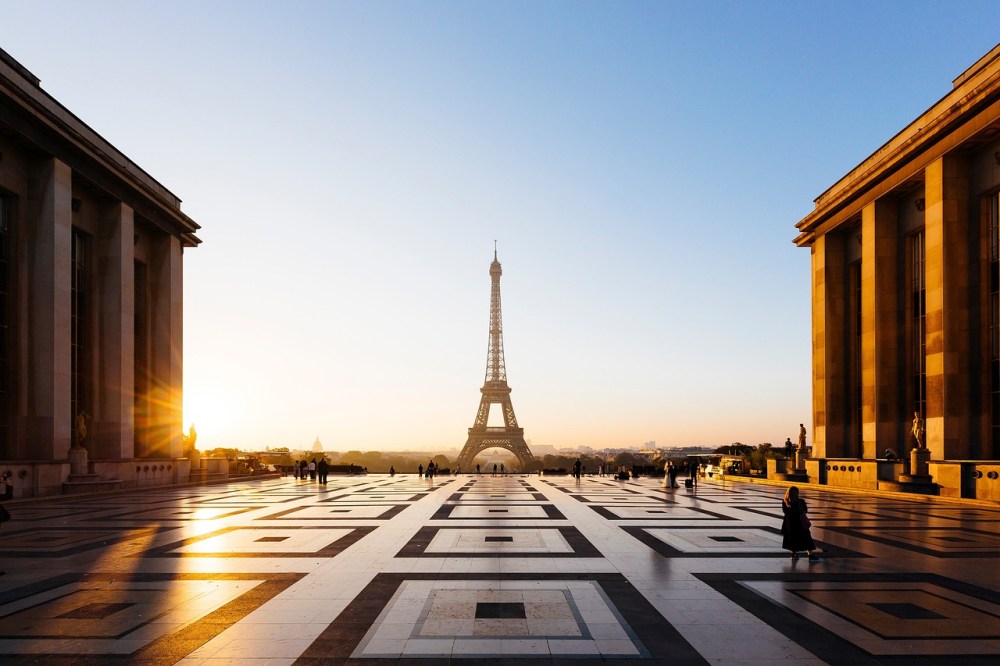
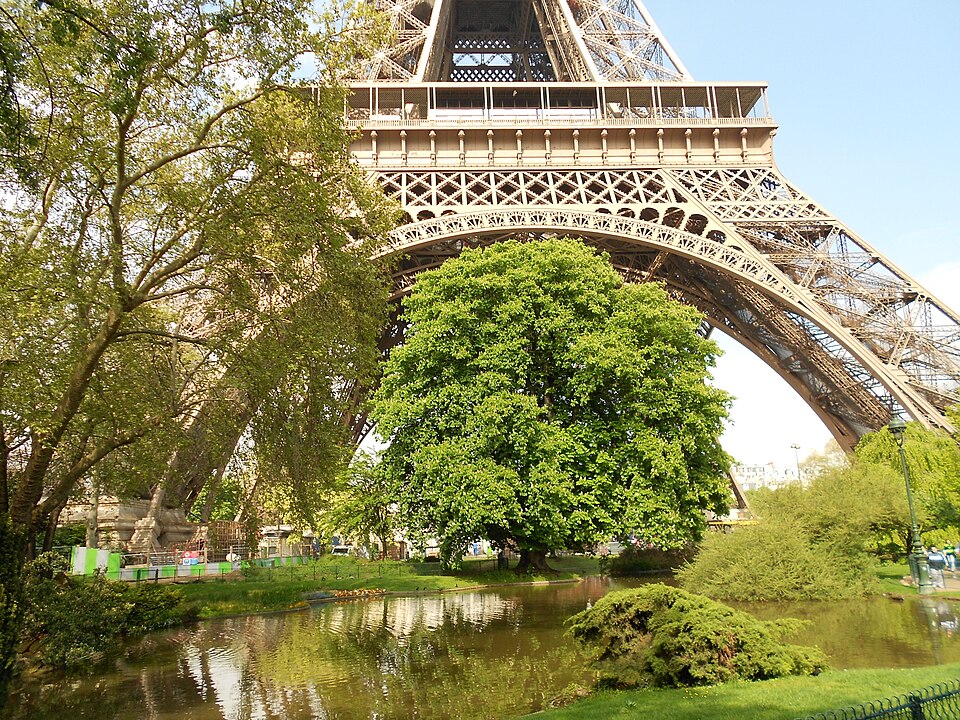
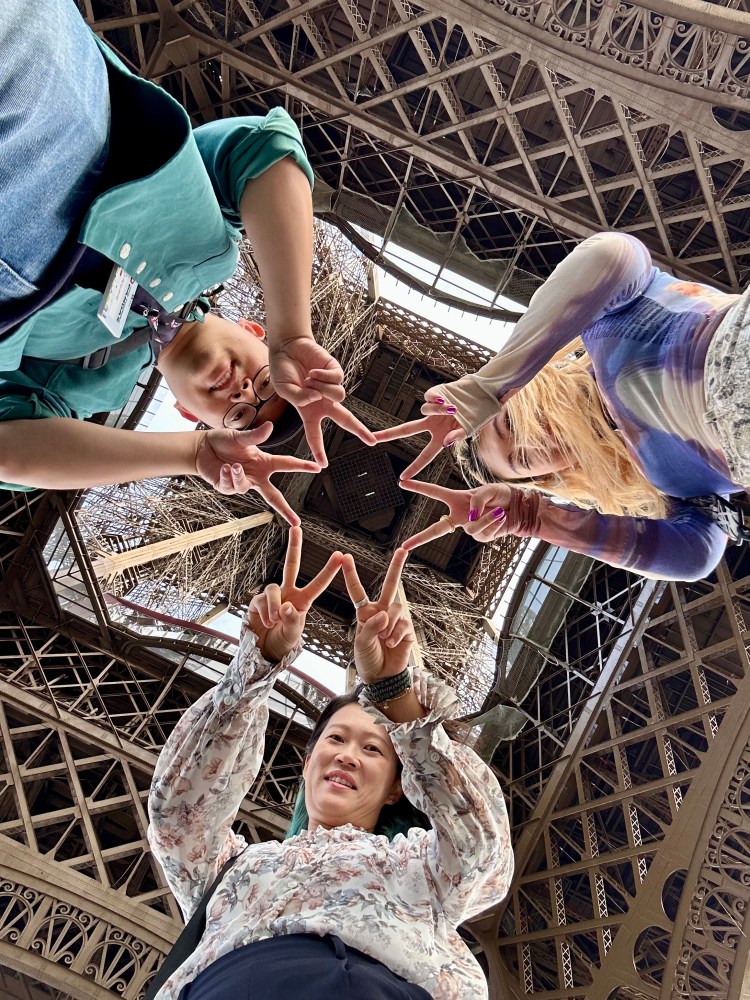
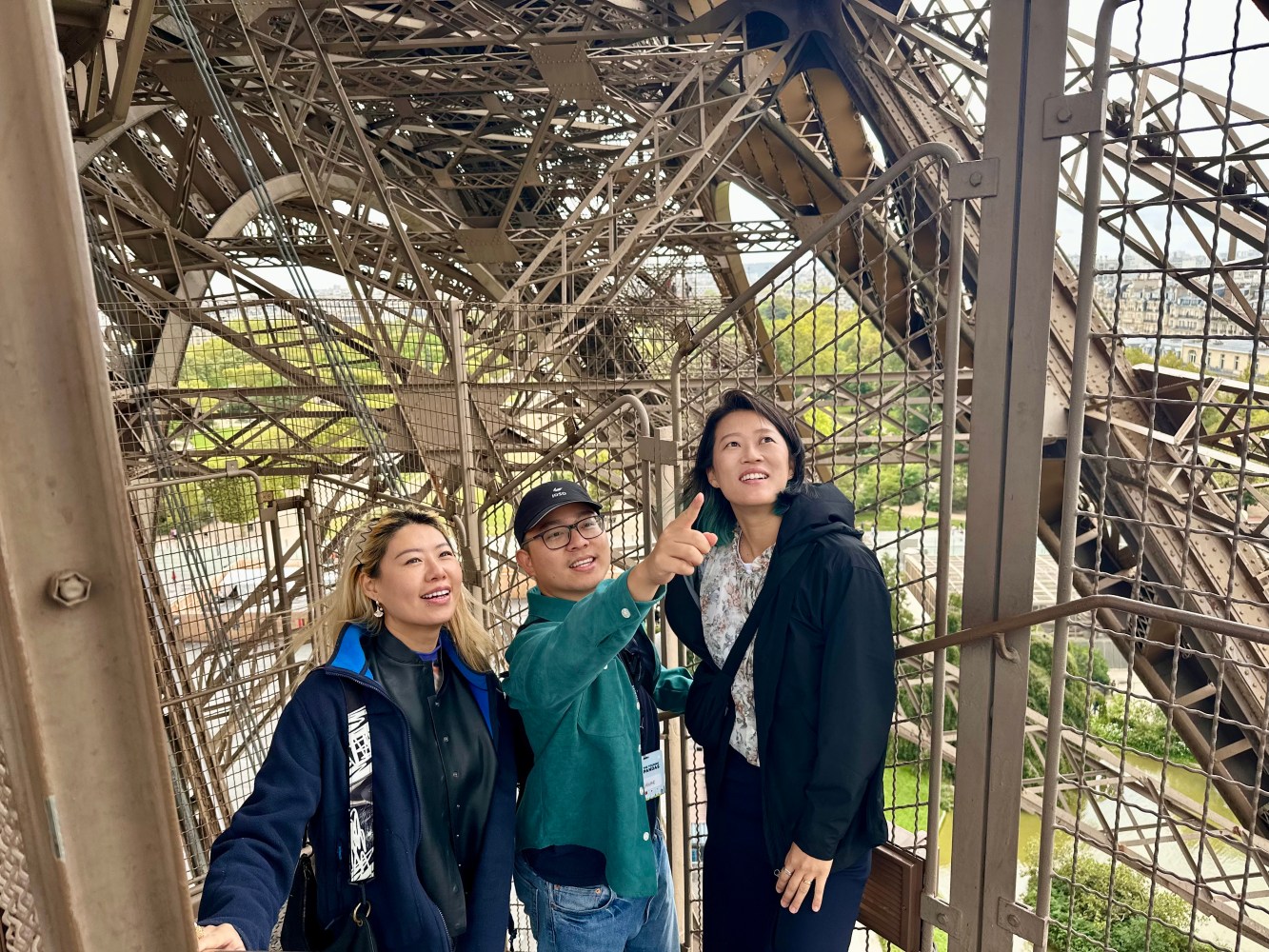
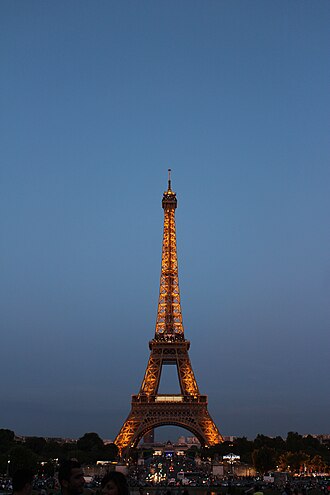
Hello, travel lover! If your next destination is the City of Light, we assure you a magical experience awaits. Paris is one of those cities that captures the heart, and at the center of its charm lies the majestic Eiffel Tower, an icon that has captivated millions of people. However, for your visit to be as perfect as you imagine, it is key to be prepared. At The Touring Pandas, we want your trip to be unforgettable and without setbacks. That’s why we have created this practical guide with the best tips for you to make the most of your visit to the Eiffel Tower. Get ready to discover its secrets and make sure your Parisian adventure is perfect. For your experience to be smooth and memorable, here are the best updated tips: The Eiffel Tower is one of the most visited monuments in the world. We recommend you buy your tickets online, at least 2 months in advance. This way, you avoid long queues and secure your access on the desired date and time. Many visitors just go up and down, without exploring the surprises that each level has to offer the Eiffel Tower and its surroundings. Although often confused, the Eiffel Tower gardens and the Trocadéro gardens are two different places. The Trocadéro Gardens are in front of the Tower, across the Seine River, and from there you can get some of the best photos of the Eiffel Tower. You must not miss this spot if you also want to have your own iconic photo with the Tower. Access is free and this place in itself deserves its own blog post, where we will talk in more detail about everything you can find near the Paris Trocadéro. The Eiffel Tower gardens, distinct from those of the Trocadéro, are located directly below and around the base of the monument. These green spaces are free to access and offer paths, ponds with wildlife, artificial caves, and waterfalls. They are perfect for a picnic with views of the tower, enjoying a walk, or even finding a quiet corner to relax. The gardens also house souvenir kiosks and, at times, artistic events and shows. The atrium, located at the foot of the Eiffel Tower, offers an impressive view of the Iron Lady and its four pillars. This space is the perfect starting point to admire the iron structure and the city’s historical axis. In addition, in the atrium, you can find points of interest such as the bust of Gustave Eiffel, an information center, and the iconic elevators, which are a historical and unique piece of engineering. The experience of getting to know the Eiffel Tower will not be complete if you don’t go up its stairs. Although there are elevators, going up or down its steps allows you to get inside the iron structure and appreciate its architecture up close. You can go up by elevator and take advantage of the descent by the stairs to explore the internal structure. At 57 meters high, this level has an impressive glass floor that will make you feel as if you are floating over the Champ de Mars. Here you will also find restaurants, souvenir shops, and interactive exhibitions that detail the history of the Tower. At 116 meters, it is the main and most popular viewpoint. The view is simply spectacular and is considered the best for capturing photos of the most emblematic monuments of Paris, such as the Arc de Triomphe and the Seine. Here you can also discover shops and a variety of gastronomic options. At 276 meters high, it is the highest point of the Tower and access is only by elevator. From here, the views are unique, and you can enjoy the panorama of Paris. Here you will also find a small private apartment of Gustave Eiffel and a replica of his office. “Upon reaching the summit, the experience becomes even more magical. Make a toast with a glass of champagne and celebrate your adventure at the top of Paris, a small detail that turns the moment into an unforgettable memory.” The Tower consists of three visitable levels: Here we mention the ticket options that exist: If you are planning your visit to the Eiffel Tower, the choice of timing is key for a smoother experience. Weekdays are the best option, especially Tuesday, Wednesday, and Thursday, when crowds are smaller and queues are shorter. If your trip coincides with a weekend, consider arriving early, before 10:00, or later, after 20:00, to avoid crowds. In addition to the days, the season also influences. The high season is from June to August, coinciding with the summer holidays, which means longer waiting times and more crowded viewpoints. For a quieter visit, the low season (October to March) is ideal. Keep in mind that festivities and school holidays, such as Christmas or Easter, attract more visitors, so plan ahead to secure your entry and enjoy the best view without stress. If you opt for the morning, you will enjoy a quieter atmosphere and soft light, ideal for capturing sharp photos of the structure and the landscape without the crowd. It is a moment of serenity perfect for those who seek to contemplate the “Iron Lady” in peace. On the other hand, the sunset visit gives you a “golden hour” show, a magical moment in which the light of the setting sun paints the sky with vibrant colors, creating a romantic and postcard-worthy backdrop. Finally, at nightfall, the experience becomes dazzling. The Tower lights up, becoming a bright beacon in the heart of Paris. In addition, every hour, a show of twinkling lights transforms it into a fascinating show. Each of these perspectives offers a different vision of its beauty, ensuring that, no matter the time, your visit will be unforgettable. Know the visiting hours for the Eiffel Tower From June 15 to September 6 they are open from 8:45 a.m. to 12:45 a.m. with the last admission at 11:45 p.m. And the rest of the year from 9:15 a.m. to 11:45 p.m. with the last admission at 10:45 p.m. The last elevator trip to the summit is usually 1 hour before the tower closes (the exact times can vary each day). Eiffel Tower light show times and best places to watch the Show If you thought the Eiffel Tower was impressive by day, get ready for a breathtaking show at nightfall. From 8:00 p.m., the Iron Lady becomes a beacon of light that shines with its bulbs twinkling in unison for five minutes at the beginning of each hour, until 1 a.m. This flash, visible even at 80 kilometers on a clear night, culminates with a longer and more spectacular show at 1 a.m. To experience the magic in all its splendor, the best idea is to visit the tower and then go down to witness the show from the ground. You can enjoy this iconic view from the Trocadéro Gardens or the Champ de Mars, ideal places for a nighttime picnic. For a more romantic and magical experience, sail on a cruise on the Seine River and watch how the lights are reflected in the water. If you prefer something more intimate, look for a restaurant with a rooftop terrace or head to the Bir-Hakeim Bridge for a unique perspective. Finally, the Montparnasse Tower gives you an unparalleled panoramic view of the Eiffel Tower shining in the distance, in a quieter and more spacious environment. The Eiffel Tower not only offers spectacular views but also a remarkable offer of gastronomy and shopping that elevates the Parisian experience. Throughout its different levels, you can enjoy a variety of culinary options, from a luxury dinner at the famous Le Jules Verne restaurant, known for its haute cuisine and panoramic views, to a more informal and contemporary meal at Madame Brasserie, located on the first floor. For those looking for a faster option, there are several buffets that offer sandwiches, salads, and desserts. In addition, the Tower has shops that allow visitors to take home a unique souvenir of this iconic monument. All bags and personal items are checked at the entrance. Avoid carrying large items, as there are no luggage lockers or cloakrooms. However, a few minutes’ walk away, you can find different options for lockers. To get to the Eiffel Tower, visitors have multiple public transport options that facilitate access. One of the most popular and efficient ways is the metro, with nearby stops such as Bir-Hakeim (Line 6), which is the closest to the tower, and Trocadéro (Line 9), ideal for those who want a spectacular view of the monument before arriving at its feet. Another alternative is the RER suburban train network, using Line C to the Champ-de-Mars – Tour Eiffel station, which is a 5-minute walk away. In addition, several bus lines, such as 82 and 30, have stops very close, offering a practical journey with views of the city. Don’t settle for less. The opportunity to visit the Eiffel Tower does not come every day, and to visit it again even less, that’s why we want you to live the most complete experience possible. The most basic option for those who prefer to explore on their own. Book your ticket at www.toureiffel.paris well in advance to secure your access. Tiqets offers a simple way to book tickets with access to the Tower. You can find an Eiffel Tower Guided Tour in Chinese (soon in other languages) with access to the summit and the second floor on Tiqets, an excellent option if you are looking for a guided experience with our expert guide. If you are looking for a hassle-free premium experience in your language, our Eiffel Tower Guided Tour to the Summit is the ideal option. For a limited time, take advantage of our launch promotion and book your tour at a special price directly on our website. Our expert guide will take care of everything, allowing you to enjoy the Eiffel Tower and its secrets without worries. The Tour begins at the Trocadéro Square, an ideal place to appreciate the Eiffel Tower and keep a memory in a photo. Our guide will take you to learn about the history and secrets of the Iron Lady of Paris all the way to the summit so that you don’t miss anything and make the most of your visit to one of the most famous monuments in the world on a tour in your language, available in English, Chinese, Korean, and Japanese. In both options, Tiqets and direct booking, The Touring Pandas offers the most complete experience you can find. This experience includes access to the summit by elevator, access to the second floor by elevator, and the possibility of going up the stairs if you wish, for an experience that leaves nothing behind with an expert guide in your language. Paris has much more to offer. Along with visiting the Eiffel Tower, you can complete your day with other unforgettable experiences. Here are some ideas, with tours you can book through The Touring Pandas and through our partner Tiqets: Discover the masterpieces of world art with our Louvre Museum Tour, where you can see the enigmatic Mona Lisa and other emblematic works with an expert guide in your language (English, Chinese, Korean, or Japanese). Located on the outskirts of Paris, the Palace of Versailles transports you to a world of royal opulence. With our expert guide, you can explore the impressive Hall of Mirrors and the sumptuous royal apartments without queues. Discover the history of Louis XIV and Marie Antoinette as you walk through the rooms that once housed the French court. Enjoy the beauty of the city from the water with a cruise on the Seine River, a relaxing way to see the illuminated monuments.
Key Tips for Visiting the Eiffel Tower
Buy your tickets in advance
Know the Levels and Their Attractions
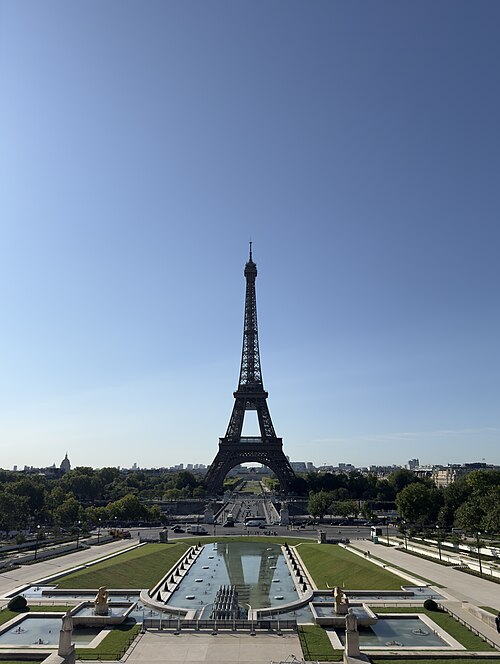
Trocadéro Gardens
Eiffel Tower Gardens
Atrium
 Stairs
First Floor
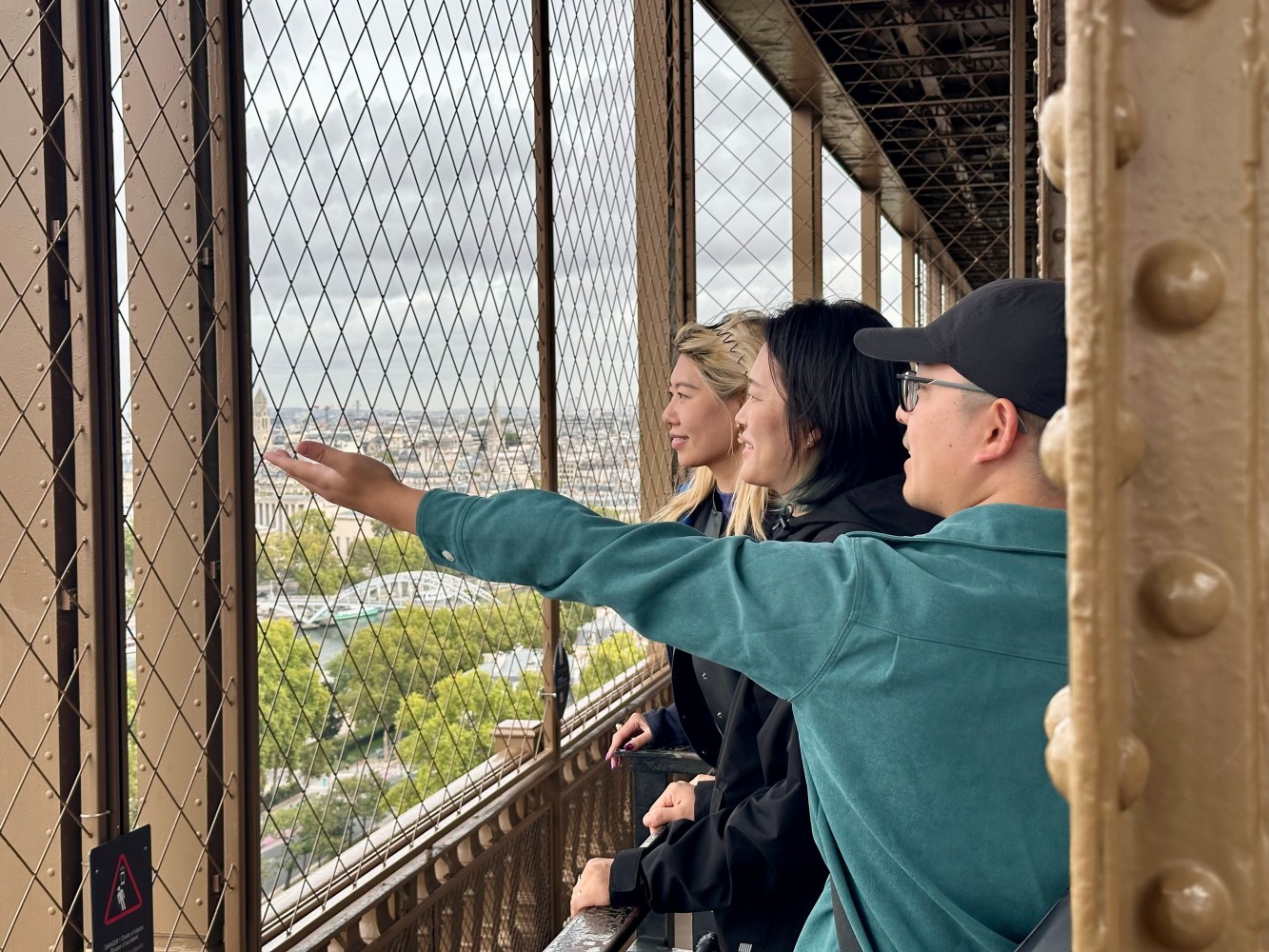
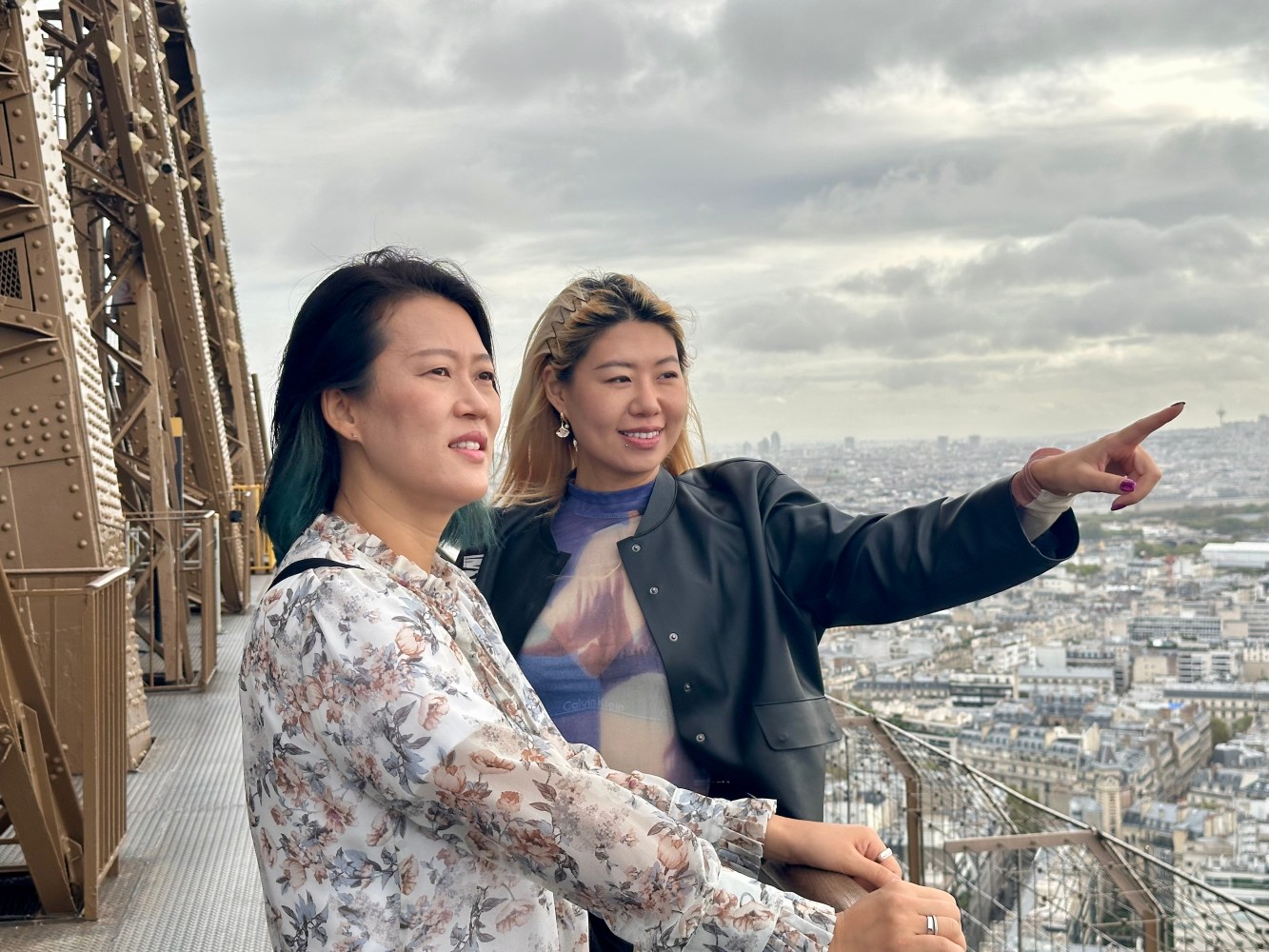 Second Floor
The Summit
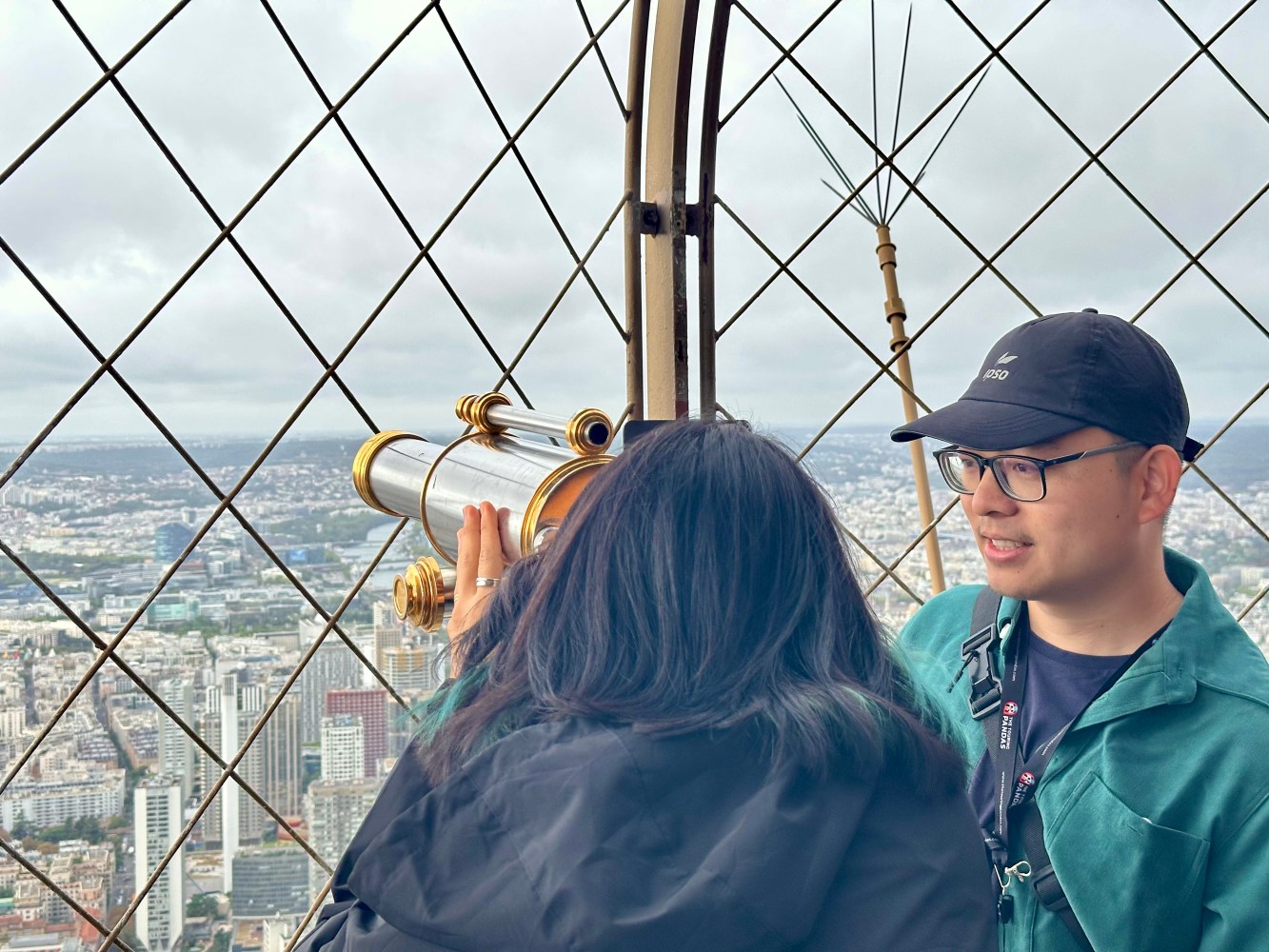
Decide what level you want to visit
Best time to visit the Eiffel Tower
Decide the time of day for the experience you are looking for
Take advantage of the gastronomic offer and shops of the Eiffel Tower
Keep in mind the security checks
Check transport options
Options for Visiting the Eiffel Tower
Direct purchase on the Official Website
Book a tour with us through our partner Tiqets
Book a Guided Tour in your language directly with The Touring Pandas
Complete Your Day in Paris
Immerse yourself in art at the Louvre Museum
A walk through history: Visit the majestic Palace of Versailles and its gardens
Take a cruise along the Seine and enjoy unique views and a relaxing atmosphere.

Malaysia is one of Southeast Asia’s most exciting destinations, offering a mix of modern cities, tropical islands, and rich cultural heritage. Whether you’re exploring Kuala Lumpur’s skyline, relaxing in Langkawi, or enjoying the food in Penang, finding the right hotel can make your trip even better. Here’s a simple guide on how to find the best hotel in Malaysia — based on comfort, budget, and experience. 1. Start by Choosing Your Destination Before you start searching for hotels, decide which part of Malaysia you want to visit. The country offers something different in every region: Knowing your destination helps narrow down hotel options and ensures you stay close to the attractions you plan to visit. 2. Set Your Budget Malaysia has hotels for every type of traveler — from backpacker hostels to 5-star resorts. Before booking, set a clear budget range. Here’s a quick idea: Remember to check if taxes and service charges are included in the room rate, as they can slightly raise the total cost. 3. Use Trusted Booking Platforms To get the best deals and genuine reviews, use reliable booking websites such as: These platforms let you compare prices, read guest reviews, and filter by amenities like free Wi-Fi, breakfast, or swimming pool. Agoda is especially popular in Asia and often offers discounts for Malaysian hotels. 4. Check the Location Carefully In Malaysia’s major cities, location is everything. When you look at a hotel, check its proximity to: For example, in Kuala Lumpur, areas like Bukit Bintang, KLCC, and Chinatown are popular for travelers. In Penang, George Town is best for sightseeing and food lovers, while Batu Ferringhi is great for beach resorts. Always look at the Google Maps location before booking — sometimes “city center” in the description can be misleading. 5. Read Reviews Before You Book Never skip the reviews section. Real guest feedback gives you insight into: Look for recent reviews (within the last 3–6 months). If a hotel has consistently positive feedback, it’s usually a safe choice. 6. Look for Amenities That Match Your Needs Different travelers have different priorities. Before booking, decide what matters most to you: Most booking sites let you filter hotels by facilities, so use that to your advantage. 7. Compare Prices Across Multiple Sites Don’t book from the first site you see. Sometimes the same hotel can have different prices on different platforms. Use tools like Trivago or Google Hotels to compare rates instantly. Also, check the hotel’s official website — many hotels offer exclusive discounts or free perks like early check-in when you book directly. 8. Watch for Promotions and Local Holidays Malaysia often runs travel deals during off-peak seasons (usually between March and June, and September to November). Hotels lower their rates to attract guests, so it’s a great time to visit. Avoid booking during major festivals like Chinese New Year or Hari Raya unless you plan early — hotels fill up quickly and prices rise. 9. Contact the Hotel Directly for Special Requests If you have special needs — like airport pickup, late check-in, or dietary preferences — email or message the hotel directly. Malaysian hospitality is known for being warm and accommodating, so most hotels are happy to help with arrangements. Direct contact also allows you to confirm booking details and avoid misunderstandings, especially for smaller or boutique hotels. 10. Always Double-Check Cancellation Policies Before finalizing your booking, read the cancellation and refund policies carefully. Some cheaper rates are “non-refundable,” while others allow free cancellation within a certain period. This gives you flexibility if your travel plans change — especially useful if you’re planning a long trip across multiple cities in Malaysia. Final Thoughts Finding the perfect hotel in Malaysia is easier when you know what you want — location, comfort, and budget. With modern booking platforms, transparent reviews, and plenty of options across the country, travelers can easily find accommodations that fit their needs. Whether it’s a cozy guesthouse in Penang, a luxurious resort in Langkawi, or a city-view suite in Kuala Lumpur, Malaysia’s hospitality will always make you feel at home. So, plan smart, compare wisely, and enjoy the warm welcome that Malaysia is famous for.

Africa is a continent rich in colors, creativity, and culture — and nowhere is that more beautifully expressed than through its traditional outfits. Each country, tribe, and community has its own style of dress that carries deep meaning, telling stories of ancestry, social status, and celebration. African clothing isn’t just about fashion; it’s a form of identity. The textures, patterns, and symbols woven into the fabrics represent unity, pride, and a strong link to tradition that has been passed down through generations. In this article, we’ll explore the beauty, meaning, and history behind African traditional outfits and why they remain such an important part of life across the continent today. For Africans, clothing has always been more than just fabric — it’s a language of its own. Every pattern, color, and design has significance. For example: Traditional African outfits are worn proudly during festivals, weddings, and national ceremonies. They tell stories about heritage and remind people of their roots in an age where modern clothing is everywhere. One of the most iconic African garments is Kente, a handwoven fabric that originated from the Ashanti Kingdom in Ghana. Known for its bright colors and geometric patterns, Kente is worn by both men and women during important occasions such as weddings, festivals, and coronations. Each color and pattern in Kente carries meaning. For instance: Traditionally, Kente was worn only by kings and queens, symbolizing power and prestige. Today, it has become a symbol of African pride across the world, representing not only Ghana but also the strength and unity of the African people. In Nigeria, traditional fashion is both elegant and diverse. Two of the most popular styles are Aso Ebi and Agbada. Aso Ebi means “family cloth” in Yoruba. It is a uniform dress made from the same fabric, worn by friends and family during weddings, celebrations, or cultural events. It represents unity, love, and community spirit. Men often wear the Agbada, a flowing robe made from richly embroidered fabric, symbolizing dignity and respect. Women wear Iro and Buba — a wrapper skirt and blouse combination — paired with a Gele, a beautifully tied headscarf that adds elegance and pride. These outfits are not just traditional; they are a statement of cultural identity and craftsmanship that define Nigerian fashion even in the modern world. In East Africa, especially in Tanzania and Kenya, people wear colorful fabrics called Kanga and Kitenge. These are lightweight cotton materials often printed with bright designs and Swahili sayings that express wisdom or humor. Women use Kangas as skirts, shawls, or baby carriers, while men wear them as casual wraps. Each Kanga design has a hidden message — a form of communication that allows people to express feelings, celebrate, or even comment on social issues without speaking a word. Kitenge, on the other hand, is often tailored into dresses, shirts, and suits, combining tradition with modern fashion. Both fabrics show how creativity and meaning are stitched into everyday African life.The Meaning Behind African Traditional Dress
1. West Africa — The Beauty of Kente Cloth (Ghana)
2. Nigeria — The Elegance of Aso Ebi and Agbada
3. East Africa — The Timeless Grace of Kanga and Kitenge

Singapore, known for its modern skyline and dynamic culture, is also home to some of the most meaningful monuments in Asia. These landmarks tell stories of its colonial past, multicultural identity, and rapid transformation into a global city. In this article, we’ll explore two of Singapore’s most symbolic monuments — The Merlion Park and The National Gallery Singapore — both representing the nation’s history, pride, and creativity. If there’s one image that instantly represents Singapore to the world, it’s the Merlion — a mythical creature with the head of a lion and the body of a fish. Located at Merlion Park near Marina Bay, this statue isn’t just a tourist attraction; it’s a national emblem that reflects Singapore’s roots and identity. The Merlion was designed in 1964 by Fraser Brunner, a British ichthyologist, as a logo for the Singapore Tourism Board. The fish body symbolizes Singapore’s humble beginnings as a fishing village, once known as Temasek (meaning “sea town” in Javanese). The lion head represents “Singapura,” or “Lion City,” a name given by a Sumatran prince who, according to legend, saw a lion when he first landed on the island. This combination beautifully captures Singapore’s transformation — from a modest trading port to a thriving global metropolis — without forgetting its maritime origins. The original Merlion statue was built in 1972 and stood at the mouth of the Singapore River. Later, it was moved to its current location at Merlion Park, which overlooks the scenic Marina Bay Sands. The park has since become one of the most photographed spots in Singapore, visited by millions every year. For locals, the Merlion is more than a sculpture — it’s a reminder of resilience and progress. It stands tall as a guardian of the nation, symbolizing courage, strength, and unity among Singaporeans. Today, Merlion Park blends tradition with modern appeal. Surrounded by high-end hotels, luxury restaurants, and waterfront views, the statue still manages to hold its ground as a timeless national icon. Visitors often enjoy the gentle spray of water from the Merlion’s mouth, take photos against the city skyline, and learn about Singapore’s origin through guided tours and interactive displays. In many ways, the Merlion continues to represent Singapore’s balance between heritage and innovation — deeply rooted in the past but confidently facing the future.1. The Merlion Park — The Symbol of Singapore’s Spirit
Origin and Meaning
Historical and Cultural Importance
Tourism and Modern Connection

Sushi is one of Japan’s most recognized foods worldwide, but its roots go far beyond modern restaurants. Originally, sushi began as a preservation method in ancient Japan, where fish was stored in fermented rice to keep it fresh longer. Over centuries, this evolved into the delicate art form we know today. Sushi embodies Japanese values — precision, balance, and respect for nature. Each piece is crafted with care, highlighting the natural flavor of rice, fish, and seaweed. In Japan, sushi isn’t just a meal; it’s a reflection of mindfulness and aesthetic harmony. That’s why it remains a true traditional dish — it connects Japan’s past and present, blending ancient techniques with modern creativity.

When it comes to celebrating the Bengali New Year (Pohela Boishakh), no dish defines Bangladesh better than Panta Ilish. This humble yet iconic combination of fermented rice (panta bhat) and fried hilsa fish (ilish maach) represents the deep connection between Bangladeshi people and their land. Historically, Panta was a farmer’s meal. Villagers soaked leftover rice overnight to keep it cool during the hot summer, then enjoyed it the next morning with salt, onion, and green chili. Adding fried hilsa — the national fish — turned it into a symbol of cultural pride. Today, Panta Ilish is more than food; it’s a tradition that unites the nation every New Year’s morning. It reflects simplicity, community, and the rich heritage of rural Bengal.
